Law in Literature
This section is focused on depictions of the law in literature, and the real-world implications that they can cause. Literature can provide an effective petri-dish effect in which legal impacts can be observed and interpreted in a more saturated, dramatised form which can be provocative and extremely useful in informing readers of the legal sector.
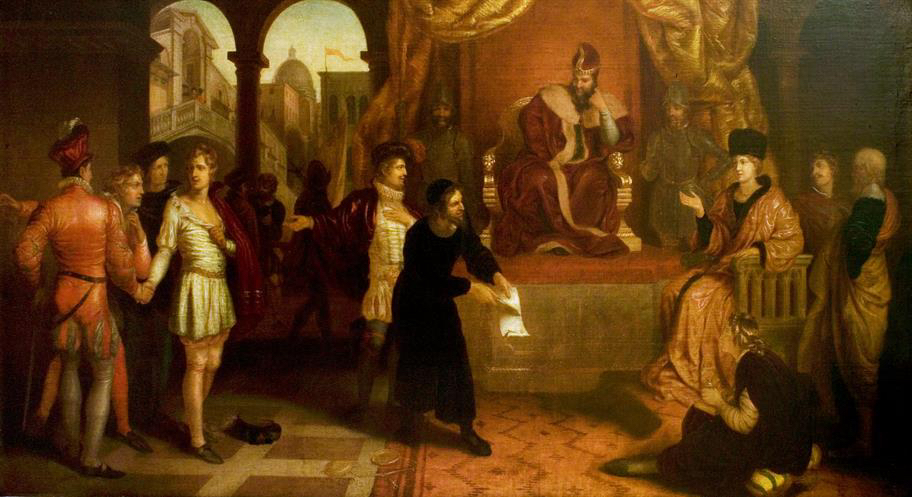
The Merchant of Venice trial scene is arguably the most legally sophisticated piece of dramatic writing in the English literary canon. The idea that a 16th century comedy could provide a meaningful lens through which to examine contract law, equity, and the limits of legal literalism might seem far-fetched, yet Shakespeare’s courtroom drama does exactly…

The relationship between a fictional probate lawsuit written in the mid 19th century, and the cutting edge of artificial intelligence is far from apparent, but it might be increasingly pertinent. The satirical case embodied Dickens’ disgust of the Victorian legal system and its shortcomings, specifically that of the Court of Chancery. The multi-generational dispute is…