corporate law
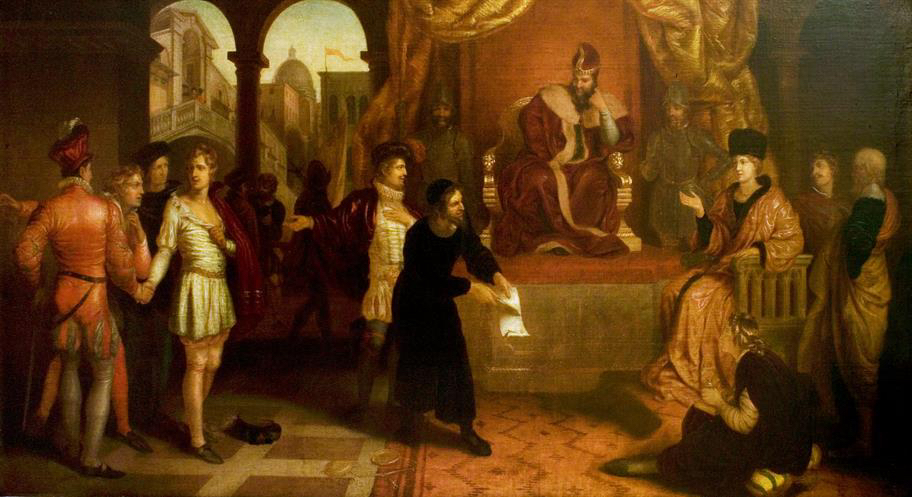
The idea that a 16th century comedy could provide a meaningful lens through which to examine contract law, equity, and the limits of legal literalism might seem far-fetched, yet the trial scene in Shakespeare’s The Merchant of Venice is arguably the most legally sophisticated piece of dramatic writing in the English literary canon, and its…

SpaceX has been alluding its move public for a while, but it seems that the offering will finally be achieved this year. Here are the key stats to start: Current valuation = $800 billion IPO target = $1.5 trillion As you can see there is a significant $700 billion disparity between SpaceX’s current valuation and…

Between 2003 and 2013, J.P Morgan and 14 other major banks got caught rigging the foreign exchange market. Traders at these banks used private chat rooms to coordinate their trades and manipulate prices, which meant that they were basically cheating their customers to make more profit. Case Name: In re Foreign Exchange Benchmark Rates Antitrust Litigation (Case…
This post will be focusing on the 4 main pillars of intellectual property (IP). 1. Copyright 2. Trademarks 3. Patents 4. Trade secrets Copyright © Copyright provides protection for original expression, this includes all forms of creative mediums such as art, literature, videos, music and photographs. Copyright rights themselves are automatically obtained as soon as…

This post is instalment 2/3 of the essential financial statements series. Income statements can provide incredibly useful insights into a company’s profitability over a certain period of time; however if the categories and the layout are unfamiliar then they can be overwhelming and seemingly uninterpretable. To help you understand, I made an income statement for…
This post is instalment 1/3 of the essential financial statements series. Balance sheets can be overwhelming and complex, however once you know what you’re looking for they become extremely useful tools due to the insight they provide. A balance sheet is designed to be a magnifying glass for investigative purposes to be utilised by potential…

The relationship between a fictional probate lawsuit written in the mid 19th century, and the cutting edge of artificial intelligence is far from apparent, but it might be increasingly pertinent. The satirical case embodied Dickens’ disgust of the Victorian legal system and its shortcomings, specifically that of the Court of Chancery. The multi-generational dispute is…

An exploration of Clifford Chance’s early adoption of AI, specifically the legal AI platform Harvey. What will the potential implications of the early implementation of AI in the legal space?

An exploration of Kirkland & Ellis’ dominance in the private equity sector this year and the factors behind their success.

An account of the Ashurst and Perkins Coie merger, and an exploration of the future benefits and potential downsides.