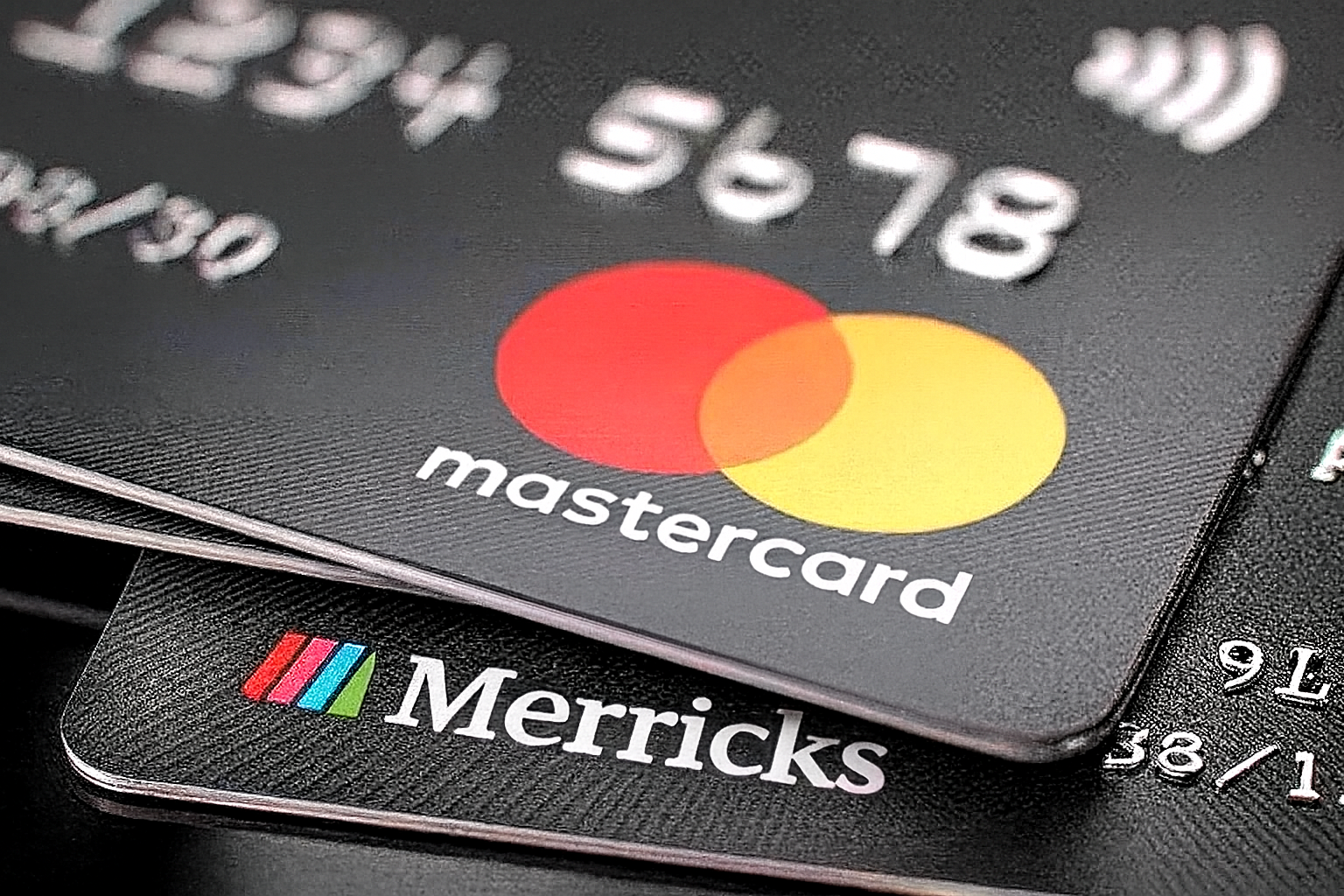
Every time that a Mastercard was used between 1992 and 2008, an additional fee of approximately 0.95% of the total price of purchase was demanded from the seller. This fee was an explicit departure from the laws of the European Union, and it was unanimously illegal as stated in 2007 by the EU themselves.
The monumental problem that was caused, however, lies in the refusal of the shops to pay the additional fee, (that they were in no way legally obligated too) and instead transferring this price raise to customers themselves and including the extra 0.95% in their asking prices.
This meant that between 1992 and 2008, whenever a Mastercard was used by a customer; an additional 0.95% of the original price for the goods or services bought, was paid. During this duration an incredibly large net of customers were affected, the consensus estimate is 46 million brits were subject to these price raises. Walter Hugh Merricks CBE was the person who set out to bring justice to the millions of brits who had been scammed out of their money. He applied in 2016 to be the class representative to bring an opt-out action before the Competition Appeal Tribunal.
Walter Hughes CBE’s first witness statement is as follows:
“I am the proposed class representative in respect of the above proposed claim, which I seek to bring as opt-out collective proceedings on behalf of individuals who between 22 May 1992 and 21 June 2008 purchased goods and/or services from businesses selling in the United Kingdom that accepted MasterCard cards, at a time at which those individuals were both (1) resident in the United Kingdom for a continuous period of at least three months, and (2) aged 16 years or over. The proposed Claim is brought under section 47B of the Competition Act”
1998 (the “Proposed Collective Proceedings”).
Claimant: Walter Hugh Merricks CBE
Defendant: Mastercard Incorporated
The figures of the case were as follows:
Appellant’s claim: £14 billion
Settlement: £200 million
3 reasons why this case is important for the antitrust landscape
- It proved harm to everyday customers
The case is a clear exploration of how the “everyday” consumer can be swept up in illegal fees that are nefariously managed by corporations. This has the knock-on effect of strengthening future claims against large companies, such as other retail banks or tech giants.
2. It provides an exhibit of Post-Brexit UK law differences
The case demonstrates how post-brexit UK law is more consumer oriented, the presences of “opt-out” collective actions, in which both parties are automatically involved and have to make a conscious action to leave the dispute which prioritises less powerful appellants as it forces otherwise disinterested parties (in this case Mastercard) to actively join the dispute. Rather than the previous “opt-in” policy which has the contrary effect.
3. Its procedural precedent
The case’s procedural precedent includes its low threshold for the Collective Proceedings Order Certification; The Supreme Court made the judgement in 2020 that set a precedent that certification requires only a “suitable” case with common issues, rather than an exhaustive proof of merits. This change makes it easier for mass claims to be made by claimants without providing details that are difficult to obtain up front.
3 Reasons why there was such a large disparity between the appellants’ claimed damages and the final settlement damages
- 95% of the claim was related to domestic transactions and Mr Merricks was refused permission to appeal.
- A higher settlement amount may have been possible but the claimants chose the potentially lower payment now as there was a “real benefit”, rather than incurring further litigation costs in hopes of achieving a higher settlement and facing further uncertainty.
- Mastercard explicitly stated in their evidence that £200 million was their final offer, which wasn’t doubted by CAT.
Attached is the full summary: https://www.catribunal.org.uk/sites/cat/files/1266_Walter_Hugh_Summary_210616.pdf
Freshfields Bruckhaus Deringer’s Involvement
Freshfields represented Mastercard throughout the nine year litigation, through the initial CAT trial hearings in 2016, to the Supreme Court appeal in 2020, and to the final settlement approval in February 2025. The work that Freshfields carried out included defending against certification, challenging causation and damages, settlement negotiation, and securing its approval from the litigation funder Innsworth Capital. Their incredibly effective strategy was integral to the damages being reduced by 98% from the original claim.
A timeline of Freshfields’ involvement in the case:
Certification and the Early Stages: Represented Mastercard in opposing the initial Collective Proceedings Order (CPO) certification. (2016-2021)
Preliminary Trials: Handed defences in hearings on causation, cross-examining experts and limiting the claim’s scope. (2022-2024)
Settlement Negotiation: Initiated settlement discussions oat-causation judgement and structured the £200 million and the £10 million indemnity. (2024- 2025)
Post-Settlement: Supported Mastercard in their recovery from Innsworth. (2025)
Why Freshfields were the best for the job:
- Their unrivalled expertise in competition and antitrust litigation.
- Their proven experience in mass claims and collective actions.
- Their strategic and litigious acumen.
- Their cross-border, global expertise.
- Their pre-established relationship with Mastercard.
- Their reputation for excellence.
Each party’s level of satisfaction
Claimant (Walter Merricks) = Mostly satisfied
Merricks sees the settlement as a pragmatic resolution despite the massively reduced monetary quantity. Following the approval, he stated “that millions of UK customers could now come forward and collect their share”, demonstrating closure after such a hard-fought battle over an extensive 9 year period. He secured a £10 million indemnity for potentially funder disputes and to protect the settlement against Innsworth’s disruptive frustrations.
He made this statement on the settlement outcome:
“The outcome, while only a fraction of the sum originally claimed, represents ‘a fair and just outcome’ for consumers… I have established important precedents to ensure that other collective actions that have followed mine will have a greater prospect of succeeding.”
Defendant (Mastercard Incorporated) = Highly satisfied
Mastercard appears to be very satisfied with the outcome, they were essentially “let of the hook” with the massively reduced damages in the settlement, they paid £13.8 billion less than they could’ve if the claimants successfully achieved their projected damages. They even provided Merricks with a £10 million indemnity out of good fortune, demonstrating their high spirits.
“We are delighted for Mastercard that the Tribunal has approved the settlement amount of £200m, vindicating Mastercard’s position that the [settlement amount] was just and reasonable.”
Freshfields Spokesperson
Litigation Funder (Innsworth Capital) =Highly dissatisfied
Innsworth has actively contested the settlement, and expressed their notion that the damages were far “too low”. They opposed approval in a three-day CAT hearing, which they lost, and they were ordered to pay substantial costs to both the claimants and the defendants (£1.16 million to Merricks and £740,000 to Mastercard). They applied for a £40 million reimbursement from the pot, which was rejected they pursued judicial review in June 2025, expressing their discontent.
We strongly oppose this reported settlement which was struck without our agreement. It is both too low and premature. Both Walter Merricks and Boris Bronfentrinker have repeatedly claimed this is a multi billion pound case, yet they seemed to have rushed to settle for a reported £200 million raising some serious questions.
Innsworth Spokesperson
Questions the case provokes:
Is the UK’s opt-out policy truly accessible for customers?
Does the low settlement value undermine the system’s credibility?
Does the case promote consumer trust or cynicism?
https://www.supremecourt.uk/cases/uksc-2019-0118
https://mastercardconsumerclaim.co.uk
Cover image generated using ChatPGT
Additional Sources:
Freshfields’ In The Spotlight Virtual Talk: Mastercard
Table of Contents

Written by George Hocking
- Antitrust
- Artificial Intelligence
- Dispute resolution
- Intellectual Property
- Intellectual Property
- Law in Literature
- Legal News
- Mergers & Acquisitions
- Private Equity
- Uncategorized
© George Hocking, 2025
Leave a Reply